
Home EV Charger Installation in Chester County & The Main Line
Most homeowners discover they need a Level 2 EV charger after purchasing an electric vehicle. Unfortunately, many don't realize every home is different. Some homes have plenty of electrical capacity, while others may require a dedicated circuit, load management, or an electrical service upgrade before installation.
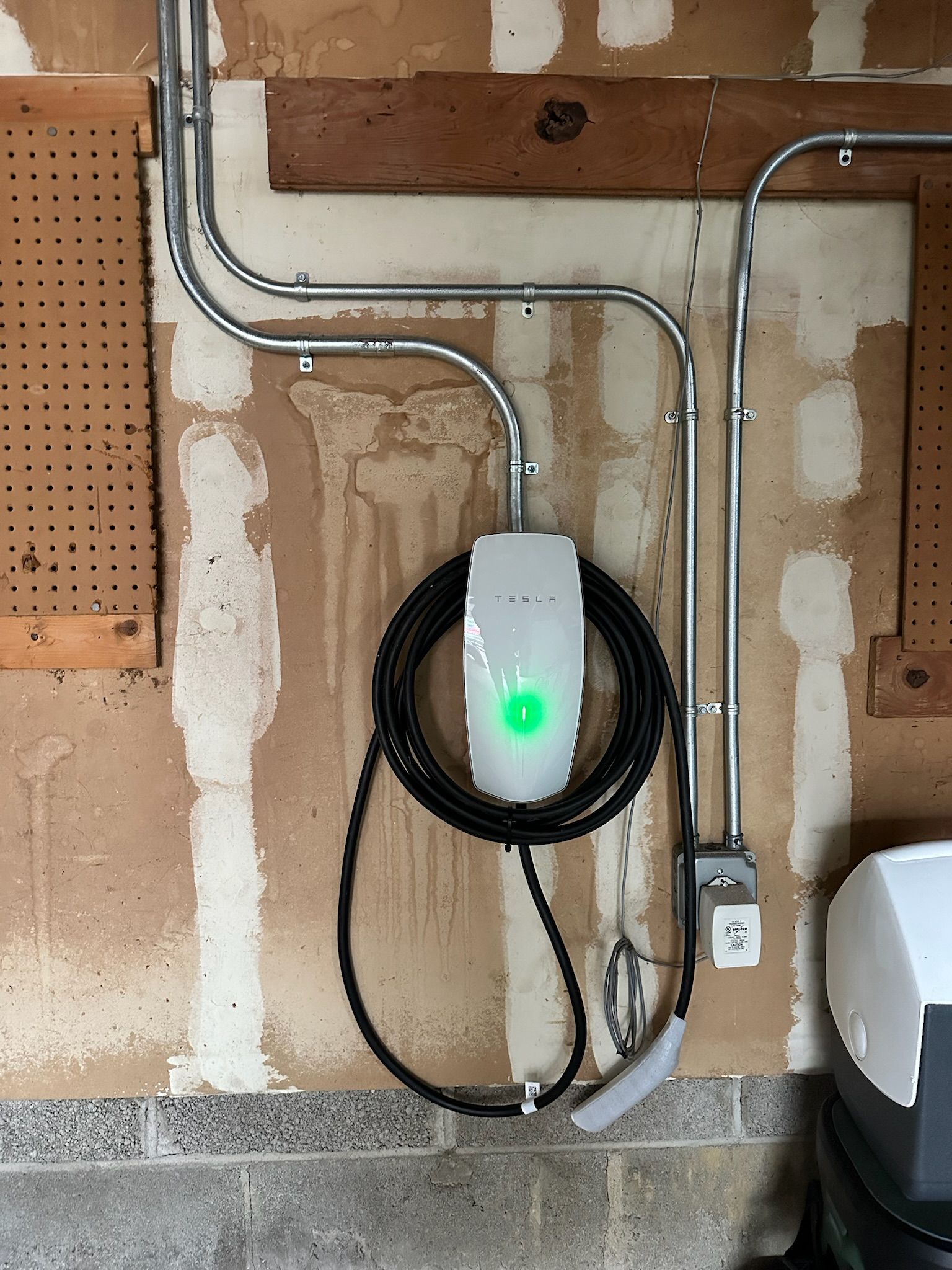
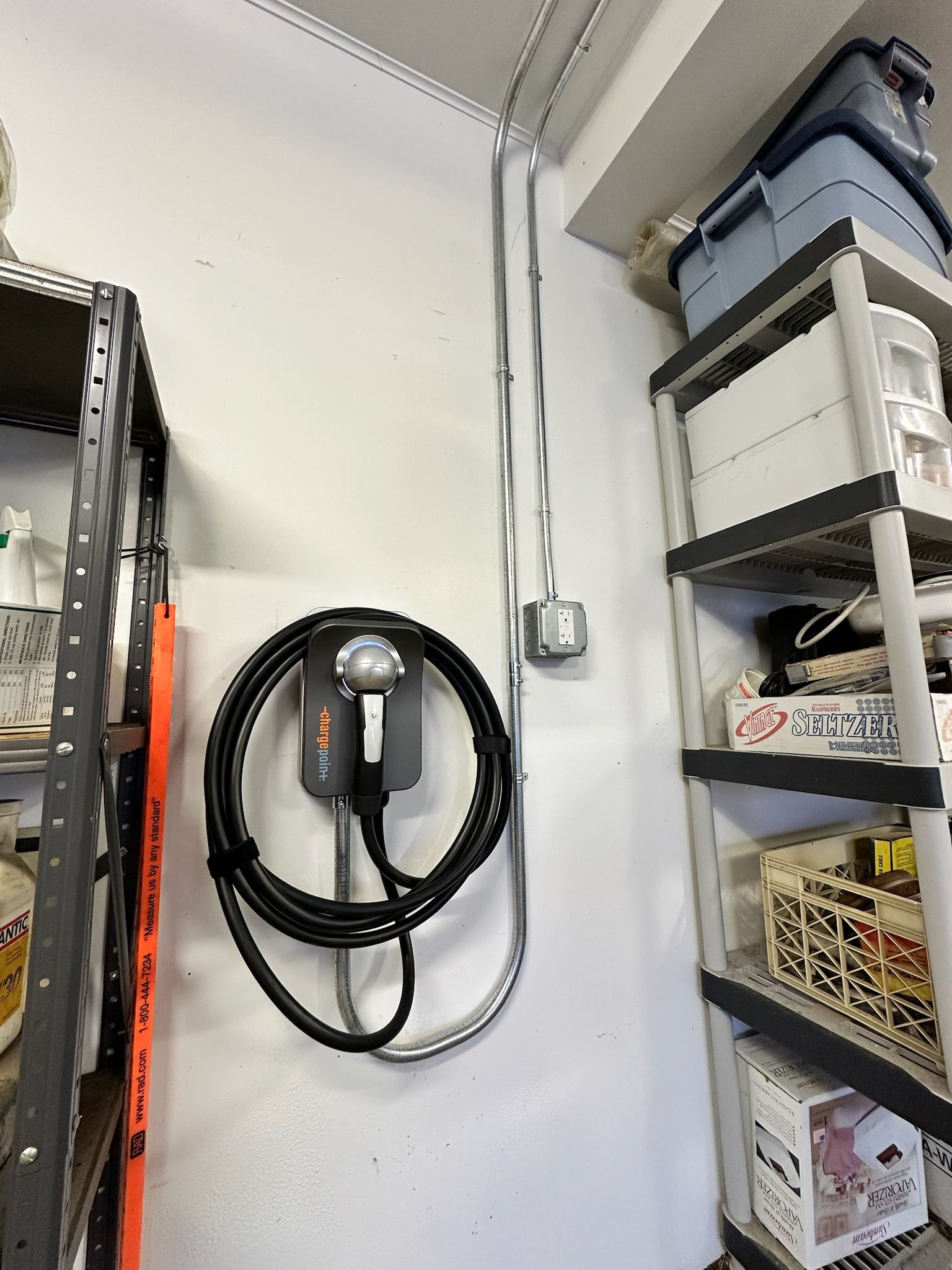
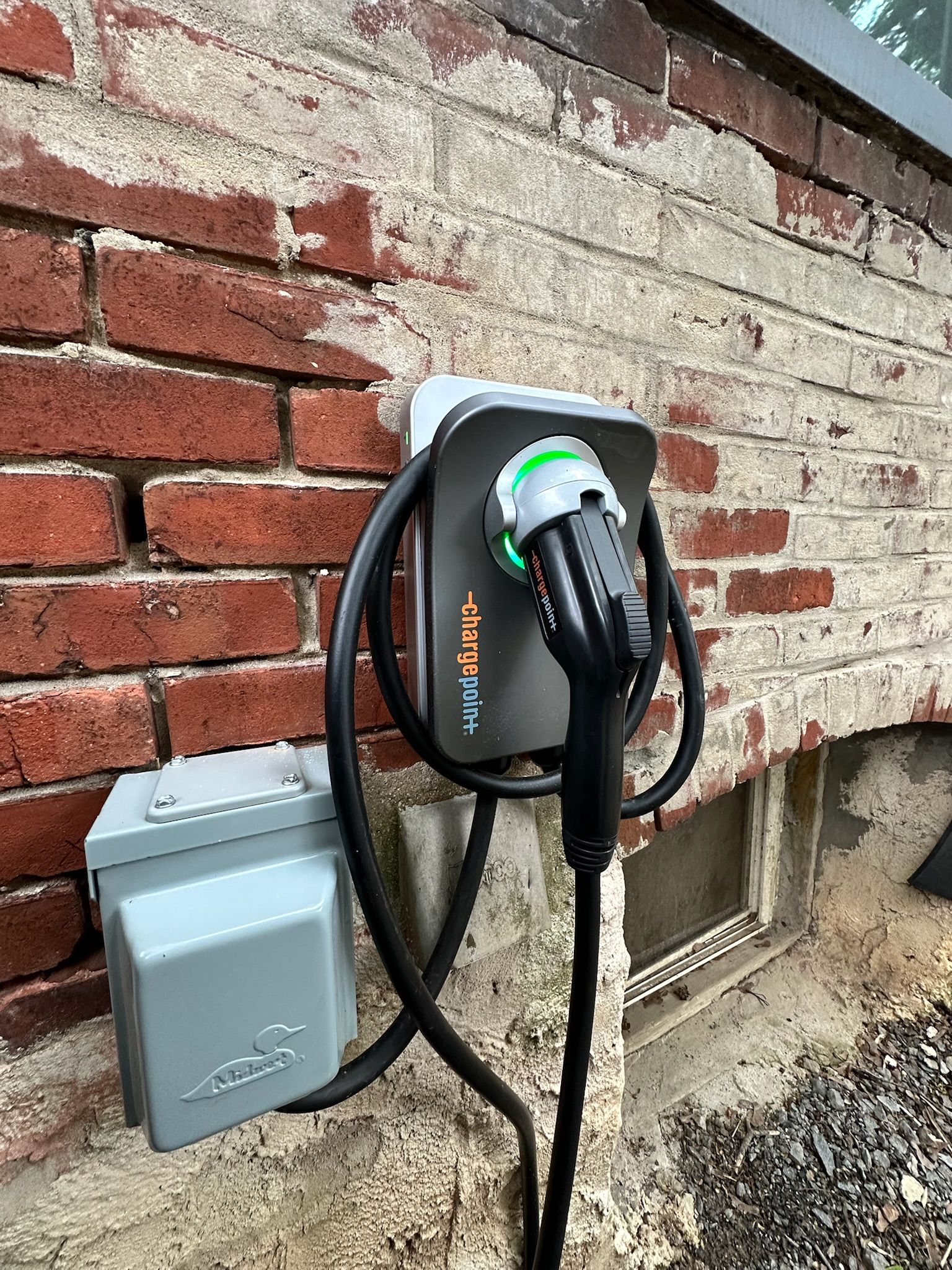
At Statts Electric, we install Level 2 EV chargers for homeowners throughout Chester County and the Main Line. Whether you drive a Tesla, Ford, Rivian, Hyundai, Kia, BMW, Chevrolet, Mercedes-Benz, or another electric vehicle, we'll evaluate your home's electrical system and recommend the safest, most cost-effective installation.
Every installation begins with an assessment of your electrical panel, available capacity, charger location, and future electrical needs. From dedicated circuits and hardwired chargers to load management systems and panel upgrades, we handle every part of the electrical installation.
Why Install a Home EV Charger?
Buying an electric vehicle is exciting, but relying on public charging stations can quickly become inconvenient.
A professionally installed Level 2 charger allows you to charge overnight, wake up with a full battery, and spend less time searching for available charging stations.
Benefits of Home EV Charging
- Charge Overnight - Start each day with a fully charged vehicle without stopping at a public charging station.
- Faster Charging - Level 2 chargers can charge significantly faster than a standard household outlet, helping you spend less time waiting and more time driving.
- Added Convenience - Charge from the comfort of your own garage or driveway whenever it's most convenient.
- Future-Ready Home - Installing a dedicated EV charging circuit prepares your home for future electric vehicles and changing transportation needs.
Every Home Is Different
One of the biggest misconceptions about EV charger installation is that every home requires the same electrical setup. In reality, every installation is different.
Some homes already have enough electrical capacity for a Level 2 charger. Others may require a dedicated circuit, load management equipment, or additional electrical work before a charger can be installed safely.
That's why every EV charger installation at Statts Electric begins with a complete evaluation of your home's electrical system.
During our visit, we'll assess:
- Your electrical panel
- Available breaker space
- Existing electrical service
- Charger location
- Distance from the panel
- Future electrical needs
- Local permitting requirements
Rather than recommending the same solution for every homeowner, we design each installation around your specific home and driving habits.
Do You Need an Electrical Panel Upgrade?
Every home has different electrical demands, which means there isn't a one-size-fits-all approach to EV charger installation. While some homes have plenty of available electrical capacity for a dedicated charging circuit, others may require a service upgrade or a load management solution before installation.
The right approach depends on your home's existing electrical system, current energy usage, and future plans - not simply the age of the home or the type of electric vehicle you drive.
Before recommending any electrical upgrades, Statts Electric performs a professional load calculation and evaluates your electrical panel, available capacity, and overall system to determine the safest, most practical, and cost-effective solution for your home.
What Is EV Load Management?
Load management allows certain homes to install a Level 2 EV charger without immediately upgrading the electrical service.
Instead of increasing the home's electrical capacity, a load management device monitors the amount of electricity being used throughout the house. If electrical demand approaches the home's available capacity, the charger automatically adjusts its charging rate to prevent the electrical service from becoming overloaded.
For many homeowners, this can be a practical alternative to a complete service upgrade while still allowing convenient overnight charging.
Not every home is a good candidate for load management, which is why Statts Electric evaluates each electrical system before making a recommendation.
EV Chargers vs. Plug-In Chargers
Most homeowners eventually choose between two installation methods: a hardwired charger or a plug-in charger connected to a NEMA 14-50 receptacle.
Both options can provide reliable home charging, but the right choice depends on the charger being installed, the available electrical capacity, manufacturer recommendations, and how the homeowner plans to use the charger.
Hardwired chargers provide a permanent installation with no plug connection, while plug-in chargers offer additional flexibility if the charger may be removed or replaced in the future.
Rather than recommending one option for every homeowner, we'll explain the advantages of each during your estimate and recommend the installation that best fits your home.
Want to compare charger types and charging speeds?
What Does an EV Charger Installation Include?
Every installation is different, but a typical residential EV charger installation may include:
- Evaluation of your home's electrical system
- Electrical load calculation
- Dedicated 240-volt circuit installation
- Breaker installation
- Hardwired charger connection or NEMA 14-50 receptacle
- Electrical panel modifications (when needed)
- Load management equipment (when appropriate)
- Permit coordination
- Final testing
- Walkthrough of the completed installation
Our goal is to provide an installation that's safe, code-compliant, and designed around both your current vehicle and future electrical needs.
Hardwired vs. Plug-In EV Chargers:
Which Is Right for Your Home?
| Feature | Hardwired EV Charger | Plug-In EV Charger (NEMA 14-50) |
|---|---|---|
| Installation | Permanently wired directly into your home's electrical system. | Plugs into a dedicated 240-volt NEMA 14-50 receptacle. |
| Appearance | Clean, permanent installation with no visible plug. | Can be unplugged and removed if needed. |
| Charging Performance | Can support higher charging speeds depending on the charger and circuit. | May be limited by the receptacle and charger configuration. |
| Flexibility | Best for homeowners planning to keep the charger installed long-term. | Provides more flexibility if you plan to replace or relocate the charger. |
| Ideal For | Permanent home charging installations. | Homeowners who prefer a removable charging solution. |
| Statts Electric Recommendation | The best option depends on your home's electrical system, available capacity, and the charger's manufacturer requirements. During your estimate, we'll explain the advantages of each installation method and recommend the solution that's right for your home. | |
Our EV Charger Installation Process
1. Electrical Evaluation
We inspect your electrical panel, available capacity, breaker space, and the proposed charger location to determine the best installation approach.
2. Load Calculation
Our electricians calculate your home's electrical demand to determine whether your existing service can support the charger or if additional equipment may be recommended.
3. Estimate
You'll receive a detailed estimate explaining the recommended installation and any optional electrical improvements.
4. Permit Coordination
When required, we coordinate permitting and inspections to ensure your installation complies with local electrical requirements.
5. Installation
Our licensed electricians install the dedicated circuit, charging equipment, and any supporting electrical components required for your project.
6. Testing & Walkthrough
Before we leave, we'll test the installation, verify proper charger operation, and answer any questions about using your new home charging system.
How Much Does an EV Charger Installation Cost?
Every home is different, which means the cost of installing an EV charger can vary depending on the electrical system and the location of the charger. While some installations are relatively straightforward, others require additional electrical work to ensure the charger operates safely and complies with current electrical codes.
Several factors influence the cost of installation, including the distance between your electrical panel and the charger location, available breaker space, the home's electrical capacity, whether a hardwired charger or receptacle is being installed, and any permitting or inspection requirements.
In some homes, additional work such as a service upgrade, subpanel installation, or load management system may be recommended before the charger is installed.
Rather than providing one-size-fits-all pricing, Statts Electric evaluates each home individually and provides recommendations based on your electrical system, driving habits, and future plans.
Factors That Affect Installation Cost
- Distance between the electrical panel and charger
- Garage or driveway location
- Finished versus unfinished walls
- Existing electrical panel capacity
- Available breaker space
- Hardwired charger or NEMA 14-50 receptacle
- Permit and inspection requirements
- Load management equipment
- Service upgrades (when necessary)
- Underground wiring or trenching
Featured Project: Electrical Service Upgrade & EV Charger Installation in Coatesville, PA
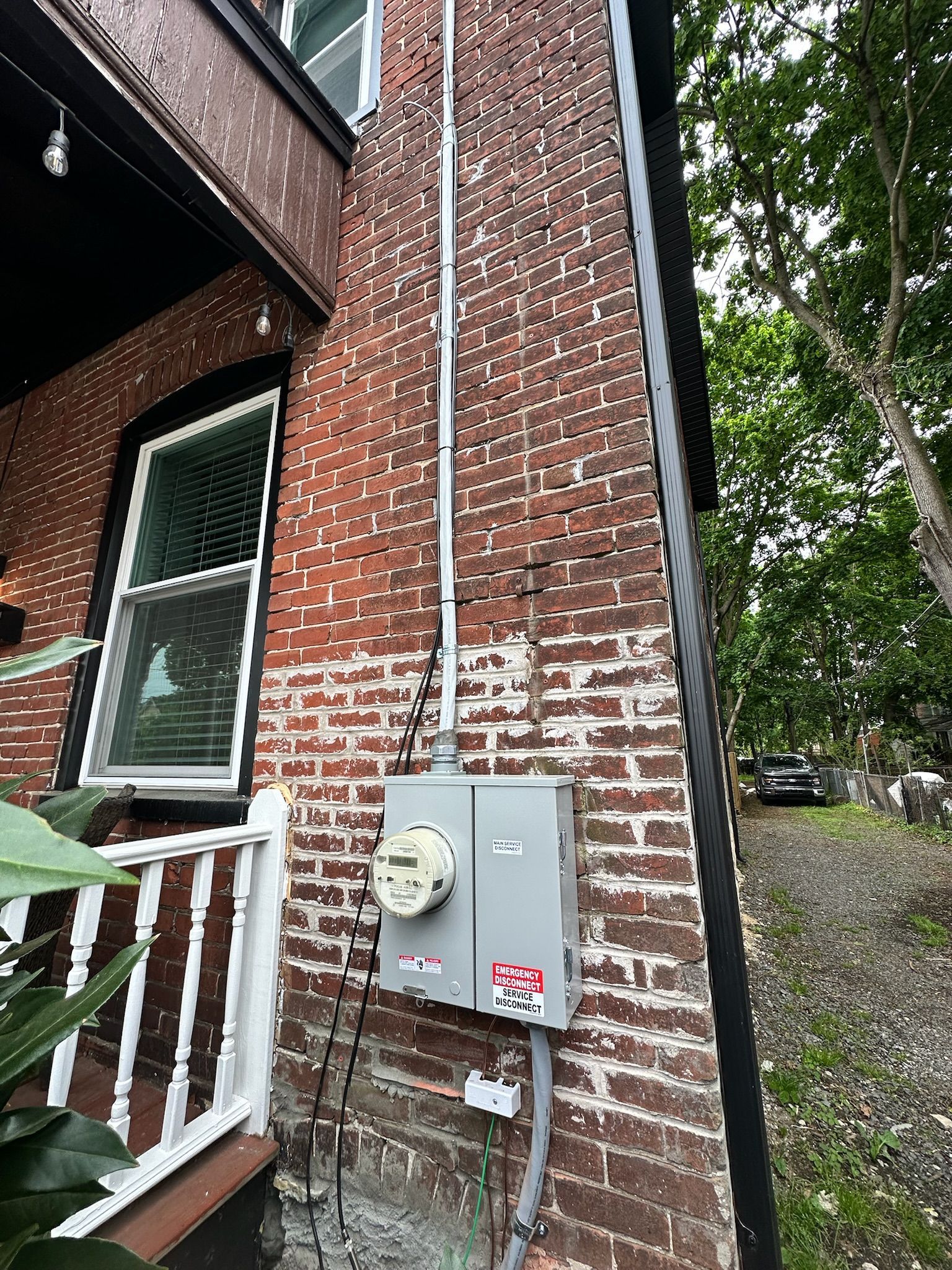
As electric vehicles become more common, many homeowners discover that their existing electrical system wasn't designed to support modern charging equipment. At a recent project in Coatesville, PA, the homeowner wanted the convenience of charging their new electric vehicle at home but didn't have enough available electrical capacity to safely install a Level 2 charger.
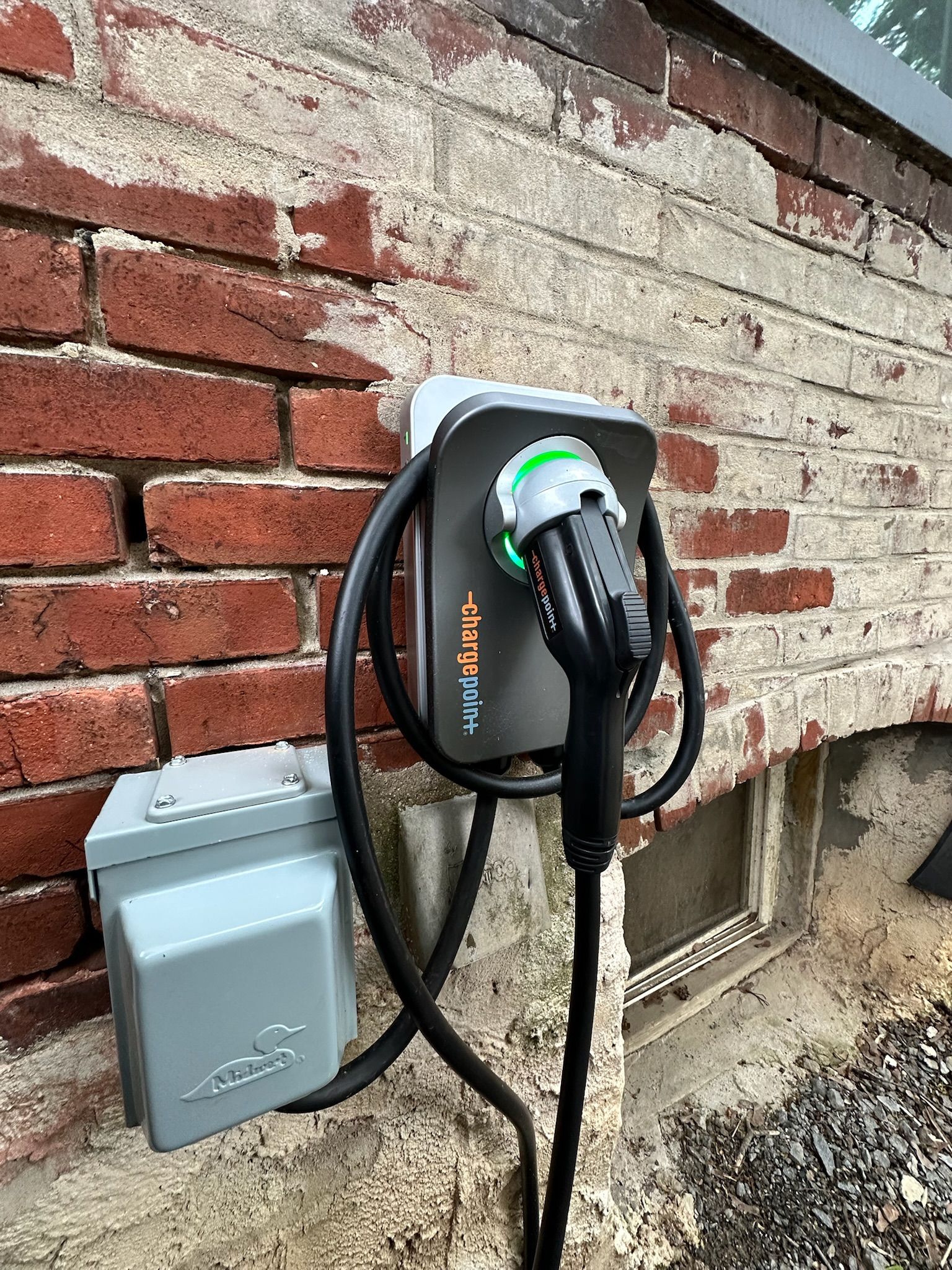
After evaluating the home's electrical system and performing a load calculation, our team recommended upgrading the electrical service before installing the dedicated EV charging circuit. We completed a full service upgrade, installed a new electrical panel, and added a dedicated 240-volt circuit for the homeowner's Level 2 EV charger.
By completing both projects together, the homeowner not only gained the convenience of fast home charging but also increased the home's electrical capacity for future improvements such as additional appliances, HVAC equipment, or another electric vehicle.
Every EV charger installation begins with the same careful evaluation. Rather than assuming every home needs a panel upgrade - or every home doesn't - we assess the existing electrical system, calculate the home's electrical demand, and recommend the safest, most practical solution based on the property and the homeowner's long-term plans.
Why Homeowners Choose Statts Electric for EV Charger Installation
Installing a home EV charger isn't simply about adding another electrical circuit. Every installation should begin with understanding how the home's electrical system is designed today - and how it may change in the future.
At Statts Electric, we take the time to evaluate your electrical panel, calculate your home's electrical demand, and recommend an installation that's built around your needs instead of a standard package.
Whether you're installing your first electric vehicle charger, preparing for multiple EVs, or planning future home improvements, we'll help you choose an installation that's safe, practical, and ready for what's next.
This is the text area for this paragraph. To change it, simply click here and start typing.Once you've added your content, you can customize the design using different colors, fonts, font sizes and bullets. Highlight the words you want to design and choose from the various options in the text editing bar.
Licensed Master Electricians
Every installation is completed by experienced, licensed electricians familiar with current electrical codes and EV charging requirements.
Customized Electrical Evaluations
No two homes are exactly alike. We evaluate every electrical system before recommending a charger installation or service upgrade.
Honest Recommendations
If your home doesn't need a panel upgrade, we'll tell you. If load management is the better option, we'll explain why.
Local Experience
We're proud to serve homeowners throughout Chester County and the Main Line with professional electrical solutions backed by quality workmanship and responsive service.
FAQs
Do I need a 200-amp electrical service to install an EV charger?
Not always. Some homes already have enough available electrical capacity, while others may benefit from a service upgrade or load management system. An electrical evaluation determines the safest solution.
How long does EV charger installation take?
Many residential EV charger installations can be completed in a single day. More complex projects involving panel upgrades or additional electrical work may require more time.
Can I install my EV charger outside?
Yes. Many EV chargers are designed for outdoor installation when installed according to the manufacturer's specifications and current electrical code.
Should I buy the charger before calling an electrician?
You can, but many homeowners prefer speaking with an electrician first to confirm which charger best fits their home and electrical system.
Do you install Tesla Wall Connectors?
Yes. We install Tesla Wall Connectors as well as many other residential EV charging systems.
What's the difference between a hardwired charger and a plug-in charger?
Both provide reliable charging. The right option depends on your charger, your home's electrical system, and how you plan to use it. We'll explain the advantages of each during your estimate.
Can you install chargers for other electric vehicles?
Yes. We install charging equipment for Tesla, Ford, Rivian, Chevrolet, Hyundai, Kia, BMW, Mercedes-Benz, Volkswagen, Nissan, Volvo, and many other electric vehicle manufacturers.
Can I install two EV chargers?
In many homes, yes. The electrical system must first be evaluated to determine available capacity and whether additional electrical work is required.
Will I need a permit?
Permit requirements vary depending on the municipality and scope of work. When required, Statts Electric coordinates permitting and inspections as part of the installation process.
Can my charger be installed in a detached garage?
Yes. Detached garages can often accommodate EV chargers, although additional wiring or trenching may be required depending on the property's layout.
Will installing an EV charger increase my electric bill?
Charging an electric vehicle uses electricity, so your utility bill will increase based on how much you drive and your local electric rates. However, many homeowners find home charging to be less expensive and more convenient than relying on public charging stations.
Can you install a charger if my electrical panel is full?
Often, yes. Depending on your home's electrical system, we may recommend a subpanel, load management equipment, or an electrical service upgrade.
Still have a question?
Related Services
Need additional electrical capacity for your EV charger? Learn when a service upgrade may be the right solution.
Prepare your home for backup power with a generator inlet, interlock, transfer switch, or standby-generator electrical connection.
Replace outdated wiring and improve grounding, circuit organization, electrical capacity, and receptacle placement.
Add recessed lighting, under-cabinet lighting, fixtures, ceiling fans, outdoor lighting, dimmers, and smart controls.
Let's Get Your Home EV-Ready
Ready to upgrade your charging experience? Whether you need a simple NEMA 14-50 outlet or a full panel upgrade with Level 2 charger integration, Statts Electric will walk you through every step.
Request a free estimate today, and power your EV with confidence, right from your driveway.
Our Service Area
We proudly serve Chester County neighborhoods and surrounding towns, including:
If you're not sure whether we service your area, just ask - we probably do!