Top Warning Signs Your Home Needs Electrical Repair

Kyle Burgess • November 21, 2025

Chester County Homeowner Guide

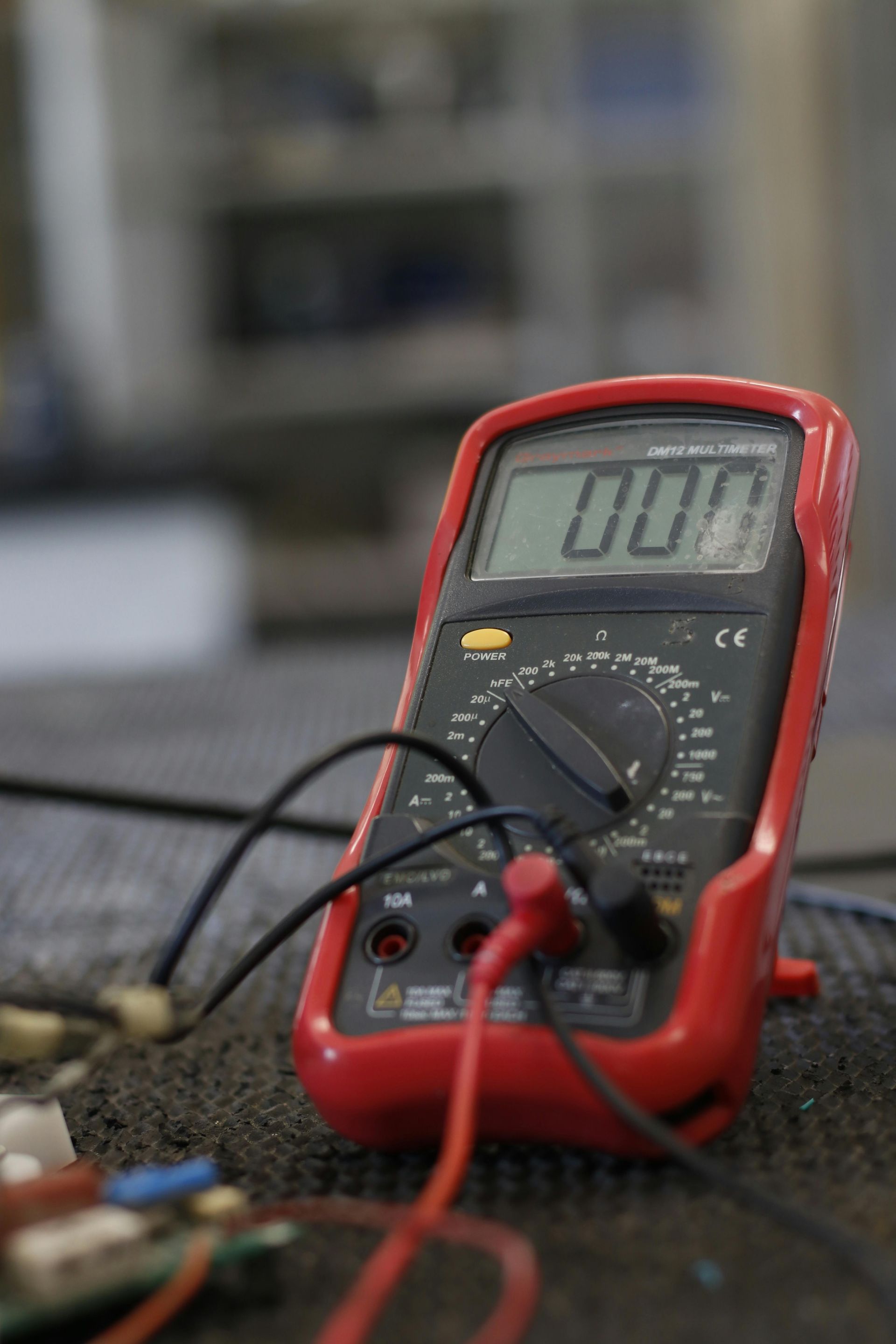
whole home rewire

Electricity is something most homeowners rarely think about — until something goes wrong. But your home usually gives you warning signs long before a major electrical issue appears. And if you live in an older home in West Chester, Downingtown, Phoenixville, Malvern, or anywhere in Chester County, paying attention to those signals is one of the best ways to protect your home and your family.

At Statts Electric, we’re a locally owned, Master Electrician–operated company, and we’ve seen firsthand how early detection prevents bigger, more dangerous problems later. This guide breaks down the top warning signs your home needs electrical repair, what they mean, and when to call a licensed electrician for help.

Why Electrical Issues Should Never Be Ignored

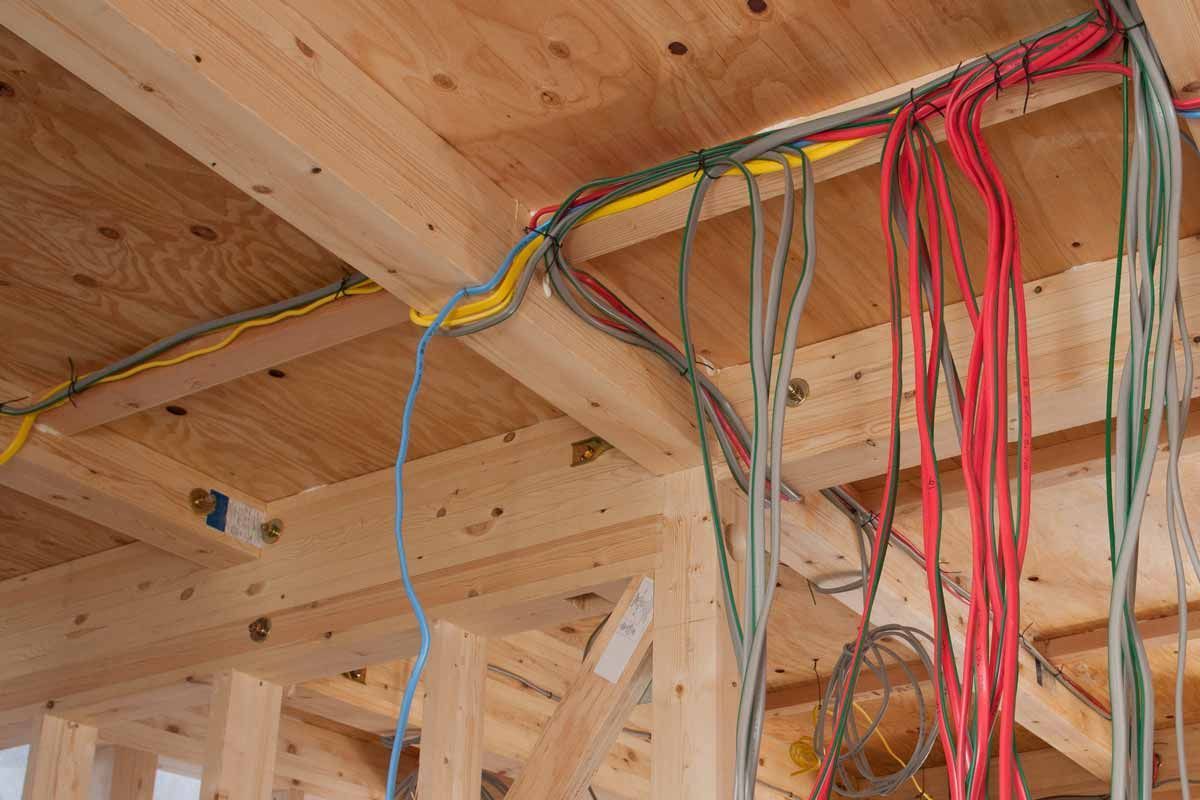
Electrical systems wear down over time — especially in homes built 20, 30, or even 50+ years ago. Wiring can loosen, outlets age, breakers become stressed, and appliances draw more power than the home was originally designed to handle.

Ignoring the warning signs can lead to:

  • Overheating circuits
  • Electrical fires
  • Damage to appliances and electronics
  • Power loss
  • Shocks or safety hazards

Catching issues early keeps your home safe and prevents small problems from turning into major repairs.

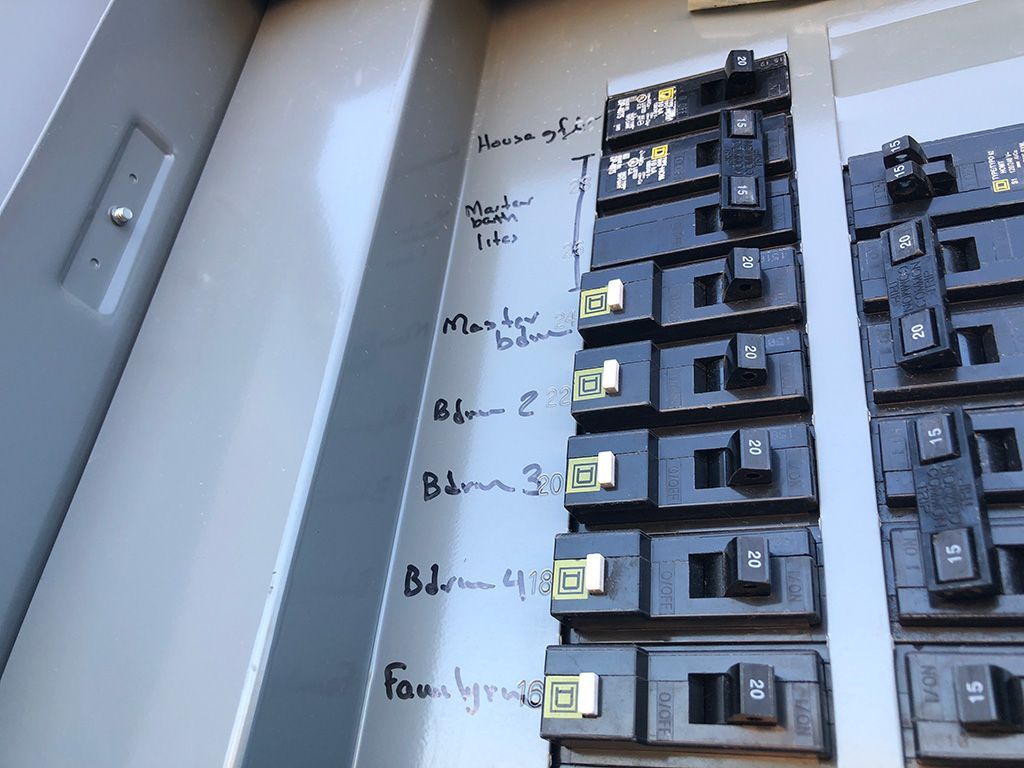
1. Frequent Breaker Trips

If your breakers trip regularly, your electrical system is telling you something important: it’s overloaded or there’s a fault in the circuit.

Possible causes include:

  • Outdated wiring
  • Too many appliances on one circuit
  • A failing breaker
  • A short or ground fault
  • Newer appliances using more power than your system was designed for

Breakers are meant to trip for safety — but frequent tripping means your home needs attention from a licensed electrician.

2. Flickering, Dimming, or Buzzing Lights

Lights should stay consistent. If they flicker, dim, or buzz, it’s often a sign of:

  • Loose wiring
  • Overloaded circuits
  • Failing fixtures
  • High-draw appliances causing dips in voltage

This issue is especially common in older Chester County homes, where wiring hasn’t been updated to today’s electrical demands.

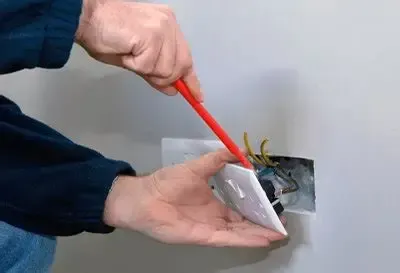
3. Warm, Discolored, or Burnt Outlets

If an outlet or switch feels warm, looks yellowed, or shows dark marks, stop using it immediately.

These symptoms often mean:

  • Loose connections
  • Overheating behind the wall
  • Failing wiring
  • Damaged receptacles

This is one of the most serious warning signs — and one we recommend addressing immediately.

4. Burning or “Electrical” Smell

If you notice a burning smell, especially when a device or light is turned on, shut the power to that area and call a professional.

Burning odors can indicate:

  • Melting wiring
  • Failing insulation
  • Overloaded outlets
  • Arcing behind the wall

Electrical fires often start silently. A strange smell is your home’s first alarm.

5. Outlets That Don’t Work or Randomly Stop Working

Dead outlets may seem minor, but they often reveal deeper issues such as:

  • Broken connections
  • Loose wiring
  • Faulty breaker
  • GFCI malfunction
  • Hidden damage

If an outlet suddenly stops working — especially multiple outlets on the same wall — there’s likely a wiring or breaker issue that needs evaluation.

6. Frequent Light Bulb Burnouts

If you’re constantly replacing bulbs in the same fixture, it’s not the bulb — it’s the wiring or the fixture.

This can be caused by:

  • Poor contact
  • Excessive voltage
  • Wrong wattage rating
  • Loose connections

In Chester County’s older homes, voltage irregularities are more common and often ignored until a larger issue pops up.

7. Shocks When Plugging in Appliances

Even a mild “zap” isn’t normal. Small shocks can come from:

  • Faulty outlets
  • Improper grounding
  • Damaged appliances
  • Loose wiring

A properly functioning electrical system should never shock you — not even slightly.

8. Switches or Outlets Making Crackling or Buzzing Sounds

Electricity should be silent. If you hear:

  • Buzzing
  • Popping
  • Crackling

…there may be arcing behind the wall, loose wiring, or failing components. This is a red-flag safety issue and should be handled by a licensed electrician immediately.

9. Aluminum or Knob-and-Tube Wiring

Many older Chester County homes still have older wiring types, including:

  • Knob-and-tube wiring (common in homes built before 1950)
  • Aluminum wiring (common in homes built between 1965–1975)

These wiring systems can function, but they’re not designed for modern electrical loads and may pose increased safety risks. Signs of aging, loose connections, or overheating should always be checked by a professional.

10. Your Home Is 30+ Years Old and Has Never Been Inspected

Even if nothing “seems wrong,” homes naturally deteriorate over time. Connections loosen, code requirements change, and newer appliances demand far more power.

A licensed electrician can identify:

  • Undersized circuits
  • Aging wiring
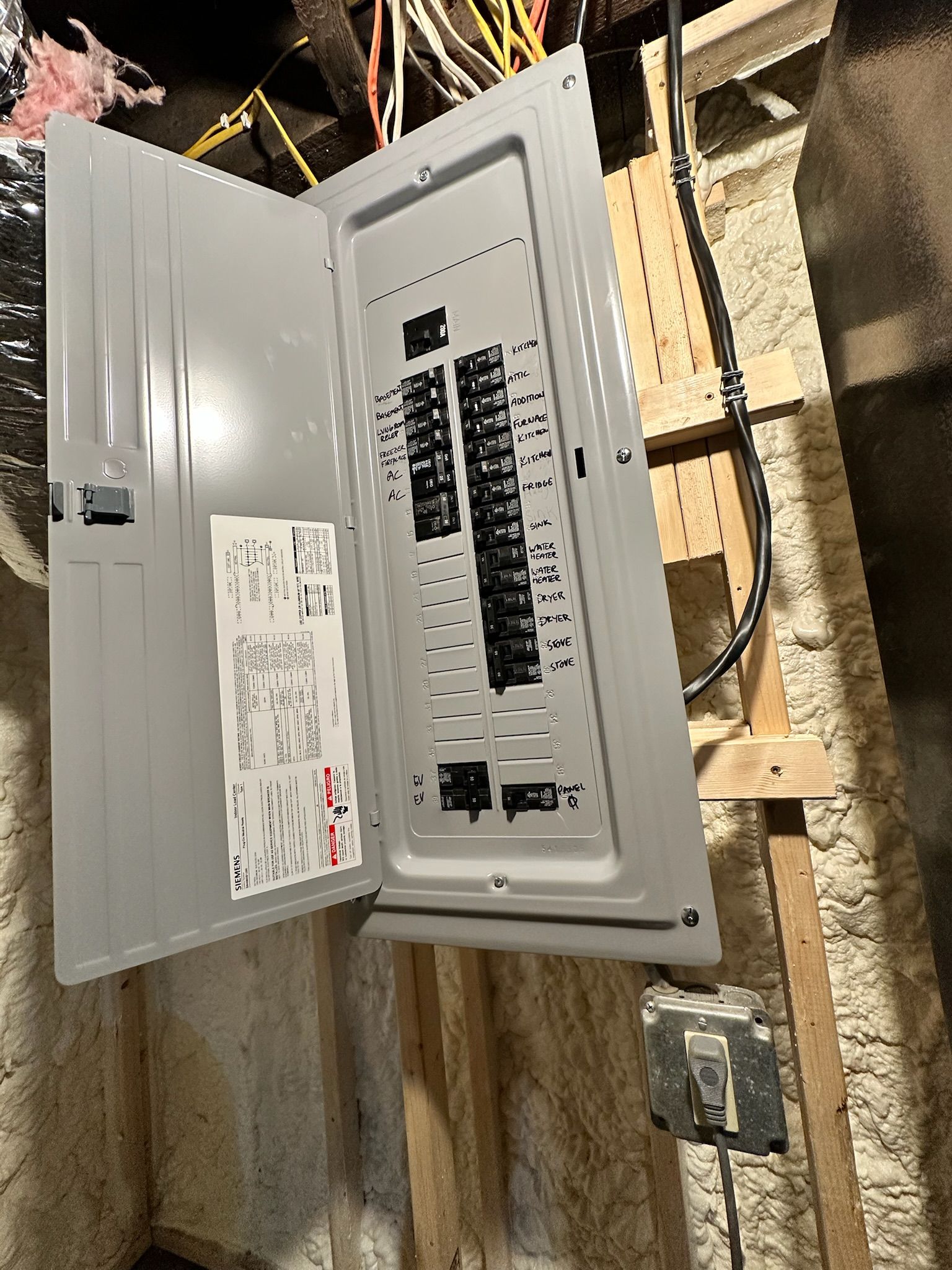
  • Outdated panels
  • Improper grounding
  • Overloaded circuits
  • Missing GFCI/AFCI protection

Most electrical hazards are invisible — until something fails. A simple electrical inspection can bring peace of mind.

Why These Issues Are Common in Chester County Homes

Chester County has a large mix of:

  • Historic homes
  • Mid-century homes
  • Newer developments
  • Recently renovated properties

Older homes often have wiring not designed for today’s demands. Newer homes sometimes have rushed or incomplete electrical work from fast-paced development. And renovated spaces may have a mix of old and new wiring that doesn’t blend well.

With our climate, home expansions, finished basements, and EV charger installations, electrical systems today are working harder than ever.

Why Choose Statts Electric for Electrical Repairs?

At Statts Electric, homeowners trust us because we bring local expertise and master-level craftsmanship to every job.

We offer:

  • Master Electrician–owned and operated service
  • BBB A+ accredited workmanship
  • Full licensing and insurance
  • Clean, professional repairs
  • Accurate troubleshooting and diagnostics
  • Honest recommendations with no upselling
  • Deep experience in Chester County homes

From the wiring behind your walls to your electrical panel and outlets, we treat your home like our own.

When to Call a Licensed Electrician

If you notice any of the warning signs listed above, it’s time to schedule a professional evaluation.

Electrical issues don’t go away — they grow. And catching them early is the safest and most cost-effective approach.

Schedule Electrical Repair in Chester County

If your home is showing signs of electrical problems — or you simply want peace of mind — Statts Electric is here to help.

📞 Call (610) 420-8027
💻 
Visit www.stattselectric.com
📍 Proudly serving West Chester, Downingtown, Malvern, Exton, Phoenixville, Chester Springs, and surrounding areas.

Your home’s safety matters. Let our local Master Electrician team take care of it.
January 28, 2026
Winter in Chester County, PA puts more stress on your home’s electrical system than almost any other season. Shorter days, colder temperatures, holiday leftovers, and increased indoor living all combine to create higher electrical demand — often in homes that were never designed for it. From space heaters and sump pumps to flickering lights and tripping breakers, many of the electrical problems we see this time of year follow the same patterns. As a locally owned, Master Electrician–owned and operated company , Statts Electric receives a noticeable increase in winter service calls throughout West Chester, Downingtown, Malvern, Phoenixville, Exton, and Chester Springs . Here’s what Chester County homeowners commonly experience during winter — and what you can do to stay ahead of it. Increased Electrical Load From Heating and Indoor Living When temperatures drop, your home’s electrical demand rises. Even homes with gas or oil heat still rely heavily on electricity to run blowers, ignition systems, thermostats, and controls. Add in space heaters, electric blankets, humidifiers, and longer hours of lighting use, and circuits begin to work much harder. Many winter electrical issues come down to simple overload. Circuits that handled summer usage just fine may start tripping once heaters and additional devices are added. This is especially common in older Chester County homes where multiple rooms share a single circuit. If breakers begin tripping more frequently during cold weather, it’s often a sign that the system is being pushed beyond what it was designed to support. Space Heaters: Helpful, but Risky if Misused Space heaters are one of the most common winter electrical hazards we see. They draw a large amount of power and can quickly overload circuits — especially when plugged into power strips or extension cords. A safe setup means plugging heaters directly into a wall outlet and keeping them clear of furniture, curtains, and bedding. If a space heater consistently trips a breaker, that’s not an inconvenience — it’s a warning that the circuit can’t handle the load and should be evaluated. Winter is when hidden electrical weaknesses tend to show themselves. Flickering Lights and Voltage Drops Homeowners often notice lights flickering or dimming more frequently during winter. This can happen when heating equipment cycles on, multiple appliances run at once, or circuits are nearing capacity. In many Chester County homes, especially those built before the 1980s, wiring systems weren’t designed for modern electrical loads. When winter demand increases, small voltage drops become more noticeable. Flickering lights are often an early indicator that the system needs attention — not something to ignore. Sump Pumps and Basements Working Overtime Winter storms, snow melt, and frozen ground can push more water toward foundations, causing sump pumps to run more frequently. Sump pumps are electrically powered and often share circuits with other basement outlets or lighting. If a sump pump circuit trips during a storm, basement flooding can happen quickly. Winter is an ideal time to make sure sump pumps are on dedicated circuits and functioning reliably — especially in older homes or those with finished basements. Outdoor Electrical Components Exposed to Winter Weather Outdoor outlets, lighting, and wiring face harsh conditions during winter. Snow, ice, freezing temperatures, and moisture can cause outlets to trip, fail, or corrode over time. Common winter issues include: GFCI outlets tripping repeatedly Outdoor lights failing after storms Moisture entering older fixtures Damaged extension cords used for seasonal décor These problems often surface in January and February, once prolonged exposure has taken its toll. Panel Stress and Aging Electrical Systems Electrical panels work harder in winter — especially when heaters, kitchen appliances, and lighting are used more heavily. Older panels may struggle to distribute power evenly, leading to frequent tripping or buzzing sounds. Winter is often when homeowners first notice panel-related issues because demand is consistently high, not just during short peak periods. Any warmth, humming, or repeated breaker trips should be evaluated promptly. Power Outages and the Need for Backup Planning Winter storms increase the likelihood of power outages across Chester County. Even brief outages can impact heating systems, sump pumps, refrigerators, and internet access — especially for families working from home. Many homeowners begin considering backup power options after experiencing a winter outage. Even if you’re not ready for a generator, winter is a good time to assess what systems are most critical during an outage and whether your electrical setup can support them safely. Why Winter Is the Best Time for an Electrical Checkup Winter exposes weaknesses in electrical systems faster than any other season. Issues that remain hidden in summer often surface when demand stays high for weeks at a time. A professional winter electrical evaluation can identify: Overloaded circuits Unsafe heater use Aging or failing breakers Sump pump reliability Outdoor outlet issues Panel stress Hidden wiring concerns Addressing these issues now can prevent emergencies later. Why Chester County Homeowners Trust Statts Electric Statts Electric is a Master Electrician–owned , BBB A+ accredited , and locally operated company with deep experience in Chester County homes. We understand how winter impacts electrical systems here — from historic properties to newer developments. We focus on safety, clarity, and long-term reliability, not quick fixes. Stay Safe and Comfortable This Winter If your home has been experiencing electrical issues during cold weather — or you want peace of mind before the next storm — Statts Electric is here to help. We proudly serve West Chester, Downingtown, Malvern, Phoenixville, Exton, Chester Springs, Coatesville , and surrounding areas. 📞 Call (610) 420-8027 💻 Visit www.stattselectric.com
By Kyle Burgess December 30, 2025
If you’re a homeowner in Chester County, PA, chances are you’ve asked yourself this question at least once: “Can I do electrical work myself?” Maybe it’s a loose outlet. Maybe you want to replace a light fixture, install a ceiling fan, or add a new switch. With so many DIY videos and tutorials online, it’s easy to assume electrical work is something anyone can handle with a little research. But electrical systems aren’t like painting a room or replacing cabinet hardware. Electricity doesn’t give second chances. Even small mistakes can create safety risks that don’t show up right away — sometimes not until months or years later. As a locally owned, Master Electrician–owned and operated company, Statts Electric regularly helps homeowners throughout West Chester, Downingtown, Malvern, Phoenixville, Exton, and Chester Springs correct DIY electrical work that seemed simple at the time but created hidden problems. So let’s break this down clearly: what homeowners can do, what they shouldn’t do, and why professional electrical work matters — especially in Chester County homes. Why This Question Comes Up So Often Electrical work feels deceptively simple. Turn off the breaker, swap a part, turn it back on — right? In reality, there’s much more happening behind the walls. Most homeowners asking this question are trying to solve one of three things: A small repair that looks easy A desire to save time or money Confidence gained from watching DIY tutorials The problem is that videos rarely account for the age of your home, the condition of your wiring, or the specific electrical code requirements in your township. What Homeowners Are Legally Allowed to Do in Pennsylvania In Pennsylvania, homeowners are generally allowed to perform electrical work on their own primary residence. However, that doesn’t mean all work is automatically safe or compliant. Many electrical projects still require: Permits Inspections Compliance with the National Electrical Code (NEC) Compliance with local township regulations If work isn’t done correctly or inspected when required, it can lead to failed home inspections, insurance issues, or safety hazards — even if the work “seems fine.” The Difference Between “It Works” and “It’s Safe” This is where many DIY electrical projects go wrong. An outlet that works doesn’t mean it’s wired safely. A light that turns on doesn’t mean the connections behind it are secure. Electrical problems often don’t fail immediately — they fail slowly, through heat buildup, loose connections, or overloaded circuits. Common DIY mistakes we see include: Loose wire connections Incorrect wire sizing Improper grounding Overfilled electrical boxes Wrong type of breaker or switch Hidden junction boxes buried behind drywall These issues don’t always trip breakers or shut things down. Instead, they quietly increase fire risk over time. Why Chester County Homes Are Especially Tricky for DIY Electrical Work Chester County has a wide range of housing styles and ages. Many homes were built decades ago and updated gradually, often by multiple owners. It’s common for homes in West Chester Borough, Phoenixville, Coatesville, and Downingtown to have: Mixed-era wiring Additions tied into older circuits Panels that were never upgraded Ungrounded outlets Wiring methods that are no longer code-compliant This means what looks simple can become complicated very quickly once a wall plate comes off. Small Projects vs. Electrical System Work There’s a big difference between surface-level tasks and work that affects the electrical system itself. Some tasks homeowners may feel comfortable attempting include very basic fixture swaps — but even those come with risk if the wiring behind the fixture is outdated or improperly grounded. Anything involving: The electrical panel New circuits Breakers Rewiring Outdoor wiring Kitchens or bathrooms Basements or garages High-load appliances …should always be handled by a licensed electrician. These areas involve higher risk, stricter code requirements, and more complex wiring. Permits, Inspections, and Future Problems One of the biggest issues with DIY electrical work isn’t immediate — it shows up later. Unpermitted or improperly completed work can cause: Failed home inspections during resale Insurance claim denials Delays or additional costs during renovations Problems when adding EV chargers, generators, or HVAC upgrades We often meet homeowners after the fact — when a small DIY project snowballs into a larger correction. Why Electrical Work Is Different From Other DIY Projects Electrical systems are invisible once the job is finished. Drywall hides everything. That’s why electrical safety relies so heavily on doing things correctly from the start. Unlike a crooked shelf or chipped paint, electrical mistakes aren’t obvious. They sit quietly until something overheats, fails, or causes damage. A licensed electrician understands: Load calculations Proper grounding and bonding Code-compliant installation methods How systems behave over time How one change affects the entire circuit This knowledge isn’t intuitive — it comes from training and experience. When It’s Best to Call a Professional If you’re ever unsure whether a project is safe to DIY, that’s usually your answer. You should call a licensed electrician if: The breaker panel is involved Wiring is exposed You’re adding or moving outlets The space involves water or moisture The home is older The breaker trips after your work You’re planning a renovation or upgrade Electrical work is not the place to experiment. Why Chester County Homeowners Choose Statts Electric Statts Electric is a Master Electrician–owned, locally operated company serving homeowners throughout Chester County. We are also BBB A+ accredited, fully licensed and insured, and deeply familiar with the homes and townships in this area. We’re happy to explain what’s safe, what isn’t, and why — without judgment. Our goal is to keep your home safe, compliant, and reliable. Unsure If a Project Is DIY-Safe? Let’s Talk First If you’re debating whether to tackle an electrical project yourself, getting professional guidance upfront can save time, stress, and risk. Statts Electric proudly serves West Chester, Downingtown, Malvern, Phoenixville, Exton, Chester Springs, Coatesville, and surrounding communities. 📞 Call (610) 420-8027 💻 Visit stattselectric.com When it comes to electricity, “good enough” isn’t good enough. Let’s make sure it’s done safely.
By Kyle Burgess December 30, 2025
A Chester County Homeowner’s Guide
an electrician servicing an electrical panel
By Kyle Burgess November 21, 2025
Learn the signs your Chester County home needs an electrical panel upgrade. Safe, reliable service from your local Master Electrician at Statts Electric.
HVAC system
By Kyle Burgess November 21, 2025
This is a subtitle for your new post
electrical meter
By Kyle Burgess October 23, 2025
Looking for a licensed residential electrician in West Chester, PA? Statts Electric is BBB A+ rated and trusted for safe, professional service.
home ev charger plugged in
By Kyle Burgess September 29, 2025
Statts Electric installs EV chargers for Chester County homes. Serving West Chester, Phoenixville, Malvern, and Paoli with expert installation.
whole home generator Chester County installation
By Kyle Burgess August 22, 2025
Statts Electric installs whole home generators in Malvern, West Chester, Phoenixville, Coatesville & Paoli. Stay safe & powered all winter long.